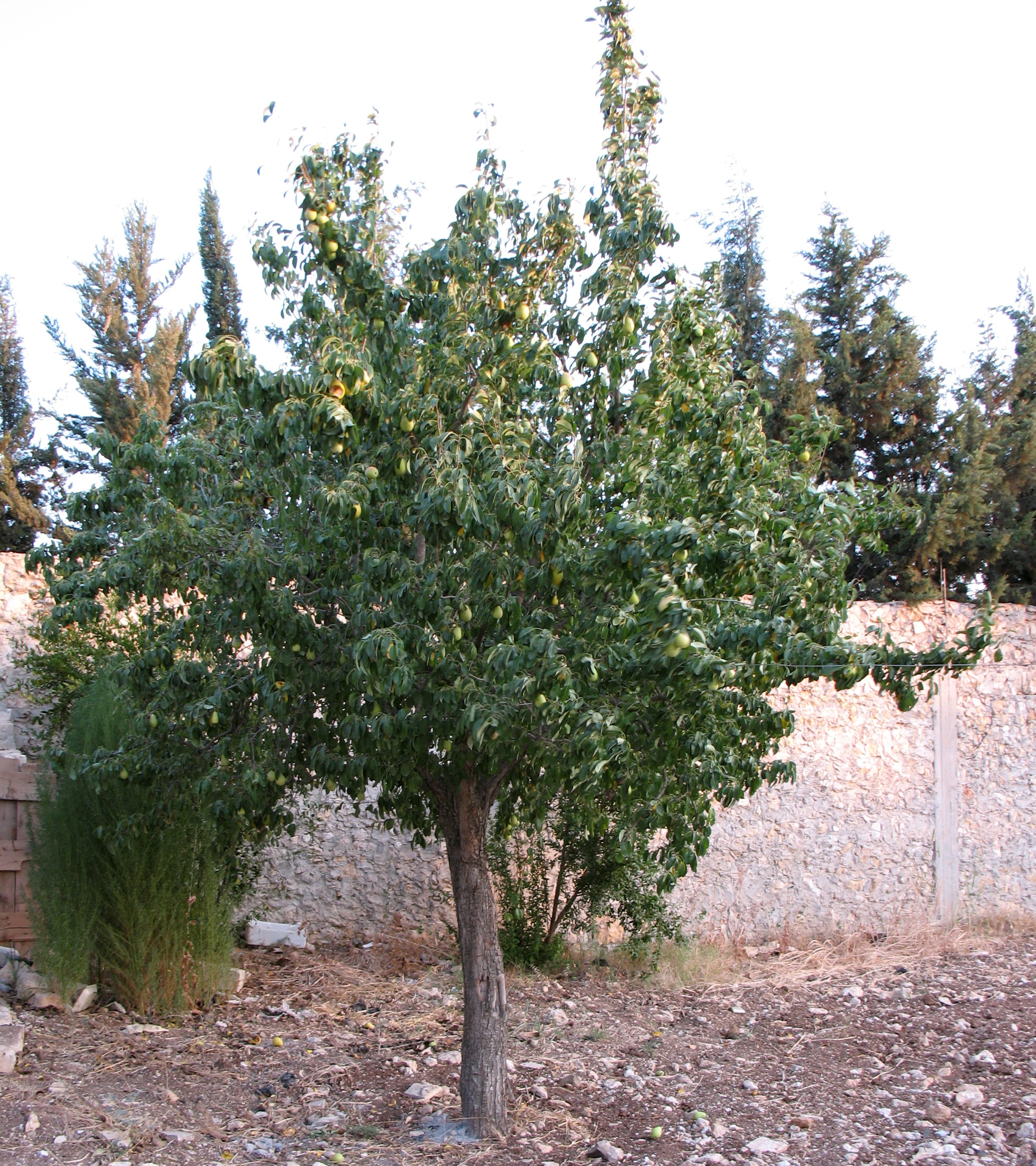
Apple trees remain the most widely planted fruit tree in Polish home gardens. According to data from the Polish Central Statistical Office, apple production in Poland routinely exceeds 3 million tonnes per year, with a notable share coming from private and family orchards. In smaller growing spaces — plots under 400 m² — successful cultivation depends heavily on variety selection and rootstock choice made at the point of planting, as these decisions affect tree size, yield timing, and the pruning workload for decades.
Choosing the Right Variety
Polish climate conditions vary considerably between regions. In Masovia and Kujawy, dry summers and cold winters favour varieties with higher frost tolerance, while Małopolska and Podkarpacie see more rainfall, which increases the likelihood of fungal pressure. For most Polish home orchards, the following varieties perform reliably:
- Ligol — large, red-striped fruit with a balanced sweet-tart flavour. Harvest runs from late September to early October. Stores well until January under cool conditions. Susceptible to scab, so requires two to three fungicide applications during the growing season.
- Antonówka — a traditional Polish variety with high vitamin C content. Ripens in August. Not suitable for long storage but ideal for immediate fresh consumption and juicing. Notably frost-hardy, making it a common choice in northeastern regions.
- Cortland — medium-sized, burgundy-red fruit. Flesh is slow to brown after cutting. Harvest in September. Good resistance to scab reduces spraying frequency, which is an advantage in organic home orchards.
- Jonagold — a cross between Jonathan and Golden Delicious. Very large fruit, harvested in October. Requires a pollinator variety nearby, as it is triploid and does not pollinate others effectively. In home orchards, plant alongside Ligol or Elstar.
- Szampion — popular in central Poland. Firm, aromatic flesh. Ready in late September. Strong annual yields, though it can biennial-bear if overthinning is neglected in early summer.
Rootstock and Tree Size
The rootstock determines final tree height and the density at which trees can be planted. In home orchards, semi-dwarfing rootstocks are the most practical choice. M.9 produces a tree reaching 2–2.5 m, suitable for plots where access for picking and spraying needs to stay manageable. M.26 is slightly more vigorous and better suited to medium-fertility soils. MM.106 produces a half-standard tree of 3.5–4 m and is preferred on lighter, well-drained soils.
Planting distance on M.9 rootstock: 3 m between trees in a row, 3.5 m between rows. On MM.106: 5 m × 5 m minimum. Cramped spacing reduces airflow and significantly increases fungal disease pressure.
Soil Preparation and Planting
Apple trees tolerate a wide pH range but perform best between 6.0 and 6.8. Before planting, conduct a soil test — inexpensive kits are available at most garden centres in Poland. If the pH is below 5.5, apply ground limestone at 2–3 kg per m² in autumn, at least one growing season before planting. Heavy clay soils benefit from the incorporation of coarse sand and composted bark to improve drainage, as waterlogged roots are the leading cause of young tree failure.
The ideal planting window in Poland is early spring (late March to mid-April), as soon as the soil is workable. Bare-root trees planted at this time establish more quickly than container-grown trees planted in summer. Dig a planting hole twice the width of the root spread and only as deep as the root collar. In clay soils, avoid backfilling the hole with improved compost mix — research from the Research Institute of Horticulture in Skierniewice shows that abrupt soil transitions around the root zone can restrict drainage and slow establishment.
Annual Pruning Calendar
Pruning apple trees on a consistent schedule determines long-term yield, fruit quality, and disease burden. In Polish conditions, the main pruning period falls between mid-February and mid-March, before bud break. At this stage, the structure of the tree is visible, and cuts heal efficiently once growth begins.
Year 1–3: Forming the Crown
After planting, remove competing leaders and establish a central axis or open-vase form depending on rootstock. On M.9, a central leader system with lateral branches spaced 30–40 cm apart on alternating sides is standard. Shorten laterals to 30 cm to encourage outward growth. Do not allow the tree to carry fruit in year one — remove all developing fruitlets to redirect energy into root establishment.
Years 4 and beyond: Maintenance Pruning
Remove crossing branches, water shoots growing vertically from main limbs, and any branches with a narrow fork angle (under 40°). Thin the crown to maintain light penetration to the centre. A well-pruned apple tree should allow you to throw a hat through its canopy, as the old Polish orchard saying goes. Thin developing fruitlets in June to one fruit per cluster and approximately one fruit per 20 cm of branch length — this prevents biennial bearing and significantly increases average fruit size.
Disease and Pest Management
The two most common diseases in Polish home orchards are apple scab (Venturia inaequalis) and powdery mildew (Podosphaera leucotricha). Scab infection peaks during warm, wet weather in May and June. The standard protection schedule in non-organic gardens starts at green-tip stage and continues at 7–14 day intervals until mid-June. Captan-based fungicides are widely used; copper-based preparations are the primary organic alternative. Fire blight (Erwinia amylovora), a bacterial disease requiring removal of entire branches, has been expanding northward in Poland over the past decade — inspect trees in June and July for the distinctive shepherd's crook wilting symptom.
Codling moth (Cydia pomonella) is the principal insect pest. Pheromone traps help time insecticide applications accurately. In home orchards, kaolin clay applications and sticky traps are effective non-chemical alternatives with no pre-harvest intervals to observe.
Harvest and Post-Harvest
Harvest timing varies by variety. A reliable field test: twist a fruit gently — if it separates from the spur cleanly, it is at or near harvest maturity. Press the flesh near the calyx end; firmness above 7 kg/cm² (measured with a penetrometer) indicates the fruit is still building sugar and starch. Most varieties intended for storage should be harvested slightly before peak ripeness, as they continue ripening in cold storage.
Store apples in a cool cellar or refrigerator at 1–4°C with humidity around 90–95%. Early varieties such as Antonówka keep for only 3–4 weeks; late-season varieties like Ligol or Mutsu store until February when conditions are maintained correctly.